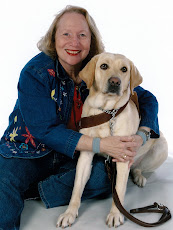
Six months ago my friend June Brasgalla wrote an essay about me for a contest about people who reinvent themselves in the second half of their lives. The contest sponsored by Wells Fargo Investments. It was called the Second Half Champions contest. Duh. I was pleased and honored by her lovely words about me but never even fantasized about winning. Now it seems It pays to have a dear friend who is a great writer. Of the thousands of entries, we were one of the three winners in the state of Washington. In addition to awards, video interviews, they are flying her to Seattle to present the award to me, putting her up in a hotel, meals, and other amenities. That is the best part of all. It means June will be here and we will also bring our dear friend Sandy if she can get away. I can invite all my friends and family to attend. It should be a great party - sometime in early October.Here is the essay:
Claire has been my friend for over 25 years. When I first met her she lived in Miami, Florida, where she led a very busy and productive life. Divorced at an early age with two sons to raise and no guaranteed career, she created for herself a life of productivity.
Her most productive years , financially, were in her 50’s and 60’s where she worked as an accountant and was organizing secretary for organizations like Harvard Alumni club, Wharton Alumni club, etc. Her three sons were grown and lived far away so Claire made a life for herself where she was healthy , happy, and had many friends.
However , one day, when she was in her mid sixties, she woke up and she could not see out of one eye. An examination showed that she had had an optical stroke which left her, effectively, blind. She handled it with aplomb...still driving her big old car around and still going to a different group meeting every day or night of the week. Two years later, while driving through Arizona on vacation, the other eye shut down. Her worst fears realized, she faced life as a legally blind woman.
Since that time, she has moved to Seattle , Washington and started a whole new life.
She can see enough to get around a little ,and she moved into a home where there was some assistance and meals. She learned the bus system in Seattle and proceeded to get around that city by herself. After a year, she went to Guide Dogs for the Blind camp in California and met her lovely dog, Davida. The two of them spent a month learning to live together and now they are inseparable.
Claire has never lost her resolve to live life to the fullest. She joined Toastmasters in Seattle and, besides the weekly meeting, she went with the others to a local prison to help the inmates learn public speaking. She connected with the local Mensa group where she began to share her great ideas and penchant for innovative activities with the group and is now running for office as local group leader. She travels alone, a real challenge for a blind woman with a dog. However, she faces each challenge as an adventure and is not shy about accepting help from people who offer it.
She also joined the Speakers’ Bureau and , with Davida, gives about 8 talks a month.
Claire is a gifted writer, has written books and articles about running a business and improving your life. She has a Blog and writes stories about her adventures with DaVida.
She is eager to travel and visit friends, and is not afraid of the difficulties that might face her.
She is the consummate friend, and has literally saved lives by her wise counsel and her supportive friendship and availability. No woman I know inspires me more or makes better lemonade than Claire!!!!
=
Friday, July 9, 2010

Wednesday, July 7, 2010
Michigan Convention
July 4th weekend in DetroitDaVida and I went to Detroit for a long weekend convention. We hooked up with a long-lost friend Dave. We spent many hours talking, eating, walking around and he groked my life and wrote about it on his blog. For some ridiculous moment I asked he not use my name so he called me Susie. I’m not sure why I said that. Here is his blog, with his permission.
Tuesday, July 06, 2010
The Lady and Her Dog
I spent the weekend with 2,200 people at a convention of sorts, though not really. Back when I lived in Miami I was a member of the convening organization and met a number of good friends who I lost track of after moving to Atlanta and lapsing my membership. Last December, on a whim, I rejoined and looked up names from the past, learning that several of my old friends were still members. Over a series of Emails back and forth, I got roped into going to the convention this last weekend.I don’t like crowds and speakers and presentations and hospitality rooms and bad banquet food; and, I found all of them over the weekend. But I also reconnected with my friends from Miami.You know you have a friend when you start a conversation a couple of decades removed pretty much like you would have a day or so after you had last been with the person.For purposes of this post I’ll skip my male friend, though he’s a post in himself, and focus on my female friend. The inner her hasn’t changed a bit. The outer her has changed. I’m not talking about the changes you might think. About three years ago she lost most of her sight, she’s legally blind. She can read 120 point type and “sees” blobs where people and things are.I’m going to fake blindness and get a service dog. They’re chick magnets. Over the weekend I walked her dog a lot. I don’t get attention. This weekend I did, even when I was alone. “Where’s the dog?” Too, it’s been sometime since I’ve spent time with a dog. I grew up with them, black labs. My new friend from the weekend is a yellow lab and she is smart as hell.When she has the “handle” on she is working. With it off and only wearing a leash, she is off duty; but, at first she still worked. She stopped at the curb. If there were people obstructing our path, she stopped. By about the third walk, all we had to deal with was accommodating the difference in my and her owner’s pace, something we never quite achieved as I walk quite a bit faster and since she was off duty, she felt it her right to wander and sniff as she liked. I knew we had bonded when we had returned to her mom, she greeted her and moved back to me and settled in next to my leg. Kind of nice, though I drew the line at getting kisses.Moving on, there’s a sea of kindness and indifference in the world. For the most part, as my friend and I walked with the dog, as my friend put it, “I’m Moses parting the waters.” Even at the last minute, people moved quickly aside as the saw her and the dog and we flowed through the masses. Then there were those that would look right at her and her dog and cut a foot in front of her forcing the dog to pull back. They didn’t see or didn’t care when they saw my “you #%%(+@!” look.There’s some ignorance too, though that’s not the right word. We sat at a table at one of the banquets. The server had seen the dog. She asked me if I would like coffee and I said yes. “Would she like coffee too?” My friend smiled. I said “I don’t know, Susie*, would you like coffee?” It turned out she would enjoy a cup of coffee and told the server. As she sensed the server leaving she said, don’t worry it happens a lot.I might do another post about Susie* and some of our other adventures over the weekend; but, I’m still digesting the grace, equanimity and plain determination that has allowed her to be no different than the woman I knew a couple of decades ago.(*I told Susie I might do a post and she asked that I not use her name. I hope I picked a name she hates.)
Tuesday, July 06, 2010
The Lady and Her Dog
I spent the weekend with 2,200 people at a convention of sorts, though not really. Back when I lived in Miami I was a member of the convening organization and met a number of good friends who I lost track of after moving to Atlanta and lapsing my membership. Last December, on a whim, I rejoined and looked up names from the past, learning that several of my old friends were still members. Over a series of Emails back and forth, I got roped into going to the convention this last weekend.I don’t like crowds and speakers and presentations and hospitality rooms and bad banquet food; and, I found all of them over the weekend. But I also reconnected with my friends from Miami.You know you have a friend when you start a conversation a couple of decades removed pretty much like you would have a day or so after you had last been with the person.For purposes of this post I’ll skip my male friend, though he’s a post in himself, and focus on my female friend. The inner her hasn’t changed a bit. The outer her has changed. I’m not talking about the changes you might think. About three years ago she lost most of her sight, she’s legally blind. She can read 120 point type and “sees” blobs where people and things are.I’m going to fake blindness and get a service dog. They’re chick magnets. Over the weekend I walked her dog a lot. I don’t get attention. This weekend I did, even when I was alone. “Where’s the dog?” Too, it’s been sometime since I’ve spent time with a dog. I grew up with them, black labs. My new friend from the weekend is a yellow lab and she is smart as hell.When she has the “handle” on she is working. With it off and only wearing a leash, she is off duty; but, at first she still worked. She stopped at the curb. If there were people obstructing our path, she stopped. By about the third walk, all we had to deal with was accommodating the difference in my and her owner’s pace, something we never quite achieved as I walk quite a bit faster and since she was off duty, she felt it her right to wander and sniff as she liked. I knew we had bonded when we had returned to her mom, she greeted her and moved back to me and settled in next to my leg. Kind of nice, though I drew the line at getting kisses.Moving on, there’s a sea of kindness and indifference in the world. For the most part, as my friend and I walked with the dog, as my friend put it, “I’m Moses parting the waters.” Even at the last minute, people moved quickly aside as the saw her and the dog and we flowed through the masses. Then there were those that would look right at her and her dog and cut a foot in front of her forcing the dog to pull back. They didn’t see or didn’t care when they saw my “you #%%(+@!” look.There’s some ignorance too, though that’s not the right word. We sat at a table at one of the banquets. The server had seen the dog. She asked me if I would like coffee and I said yes. “Would she like coffee too?” My friend smiled. I said “I don’t know, Susie*, would you like coffee?” It turned out she would enjoy a cup of coffee and told the server. As she sensed the server leaving she said, don’t worry it happens a lot.I might do another post about Susie* and some of our other adventures over the weekend; but, I’m still digesting the grace, equanimity and plain determination that has allowed her to be no different than the woman I knew a couple of decades ago.(*I told Susie I might do a post and she asked that I not use her name. I hope I picked a name she hates.)
Sunday, March 14, 2010
Thursday, November 12, 2009
It's a Dog's Life
Last night I went to a formal dinner in the grand ballroom at the WestinHotel. The only person I knew was my friend Steve who had invited me as his guest. However, DaVida, my guide dog, seemed to have had many friends at the event. Women came across the ballroom to greet her, dropping on their knees in their evening gowns to rub her ears. She responded with doggie kisses and to some of her favorite friends by rolling onto her back so she could get a belly rub. Then a few more doggie licks and they parted. All evening people smiled at my dog, cooed at her, acknowledged her. I guess I was probably having one of my invisible days. The man I sat next to rubbed her head all during dinner.Me? No cranial massage for me. Just, "Pass the salt, please." As we were leaving one of the waiters ran across the ballroom to say, "I'm not handling food anymore, can I pet your dog?" Then there were more nose rubbing, ear massage, and kisses. She made a lot of new friends and you can be sure that if we ever meet any of those people anywhere in Seattle again, there will be a great reunion. I, on the other hand, was introduced to a number of people, extended my hand and said," How do you do?" as if I was a Eliza Doolittle. In return they were no kisses for me, no belly rubs, no ear massages. There is a lesson here. A dog'slife... love and kisses, massages, new friends made everyday. The next time I meet someone I like, perhaps I will roll over on my back and ask for a belly rub. The world surely would be a different place if we all did that.
Sunday, September 27, 2009
Sneaky
Today I was at the doctor. I asked to use the restroom. Usually at a doctor's office or hospital the restrooms are large and DaVida goes in with me. This one was tiny. I gave her the Sit/Stay command and went in and closed the door. When I finished my business and came out, there she was in the same position I left her. I was just about to reward her when the woman in the office across the hall said, "She came in my office to visit me. When she heard you coming out, she ran back and got back in the same position that you left her in."
No treat for that! What is a mother to do?
Tuesday, May 26, 2009
CNN Article
Shaky economy forces Americans to rediscover community
By John Blake
(CNN) -- Leslie Gage knew it was coming, but that didn't take away the pain.
Atlanta Community ToolBank volunteers build playground, and relationships, in their community.
She was working as an architect for a small company in Atlanta, Georgia, when the company's founder asked her into his office. He took off his glasses and rubbed his hand against his forehead.
"We just can't afford to keep you..."
Gage doesn't remember what he said next. She does remember what followed for her: denial, depression and long days of watching cable TV alone at home.
She eventually joined a nonprofit group that renovated homes in her neighborhood, but she also built something else: a place in her community.
Now she wonders whether more Americans will arrive at the same conclusion that she has: We have to rebuild our sense of community, not just our banking system, if we're going to survive.
"This is when we're going to define ourselves for future generations," Gage said. "Are we the type that turn inward, or are we the type that turn outward and help one another?"
The answer to Gage's question is mixed: Some Americans are turning to community while others are retreating to their cocoons. Fewer, however, are turning to organized religion for support.
According to one perspective, more Americans turn to their remote, not their neighbor, in bad times. Netflix officials reported a 45 percent jump in profits during the end of 2008. Gross movie ticket sales are up 18.8 percent this year, according to BOXOfficeMojo.com. And home entertainment business sales are surging, according to sales figures.
Yet there are other signs that the economy is also inspiring Americans to turn to one another for everything from solace to stew.
Making stew for the neighbors
Nonprofit groups report a surge in volunteers. Peace Corps applications are up 16 percent from last year. Online applications for AmeriCorps, a federal program where volunteers tutor needy children and build housing for the poor, have increased three times faster than a year ago.
Thousands of Americans have organized Economic Recovery House Meetings in all 50 states at the urging of President Obama to talk about the stimulus plan and help one another get through the economic crisis.
Claire Anderson, who organized one of those house meetings in Seattle, Washington, said people have have established barter networks, organized lending networks and planted community gardens.
Bad times make good neighbors, she said.
"I hear people say I make more dinners for my neighbors way more than I did five years ago, when I didn't even talk to them," Anderson said.
Anderson said she's inspired by reading stories of how Americans acted during the Great Depression. They weren't too proud to ask for or give help.
"Now I wouldn't think of making a big pot of stew without taking it to my neighbors," she said.
Turning to Google instead of God
The duty to one's neighbor is a fundamental belief in most religions. It would seem natural that more people would turn to their church, mosque or synagogue for community in tough times.
But don't expect a shaky economy to lead to a national religious awakening, said Nancy Dallavalle, chairwoman of the Department of Religious Studies at Fairfield University in Fairfield, Connecticut.
While individual communities of worship may see some uptick in their numbers, Dallavalle said, fewer Americans depend on traditional religion for support.
Some studies reinforce her point. According to the American Religious Identification Survey, almost all religious denominations have lost members since 1990. Membership in mainline Protestant denominations has fallen for the past 30 years and has been widely documented.
Dallavalle says most Americans will turn to pop culture rather than the church for inspiration.The infomercial that promises wealth or the reality TV makeover show -- more Americans will look at these for inspiration, she said.
The Internet also siphons people away from traditional religious communities during tough times, she said. Americans who have grown up outside organized religion prefer to get their inspiration through the Internet: online motivational tracts, inspirational speakers and self-help gurus.
"Folks might not turn to God as much as they turn to Google," she said.
Whether people turn to God or Google, this economic crisis will shift people's values, said Melissa Harris-Lacewell, a commentator and political science professor at Princeton University.
"Having less immediately forces us to decide what we value," she said. "Our priorities in times of crisis reveal our core beliefs."
An economic crisis may even cause Americans to rethink what's worth admiring, she said. Instead of watching the "Real Housewives of Orange County," more might become drawn to the real families of ordinary America, where couples lose jobs and get sick, but they still stick together, she said.
"We say that people are valuable based on what they can produce, and now we see huge portions of our country that are unable to consume in the ways they previously had," Harris-Lacewell said. "We'll have to create a new measuring stick of what makes us valuable as people."
Gage, the Atlanta architect, had to do the same for herself. After she was laid off, she experienced an emotional tailspin. For several weeks, she refused to apply for unemployment benefits because she didn't want to get more depressed shuffling along an unemployment line.
"I didn't have the motivation to get up and go," she said.
Then she volunteered at the Atlanta Community ToolBank. The nonprofit group lends tools and renovates home for the elderly and disabled. She quickly realized that people weren't just inviting her into their homes. They were inviting her into their lives.
She still remembers the first neighbor she visited on behalf of ToolBank. The woman offered her breakfast in her living room and directed Gage's attention to her "Wall of Fame," which held portraits of her children.
"She had 13 children, all of them grown and several with college degrees," Gage said. "She was so proud of each and every one of them because, as she said, education of any kind was hard to come by when she was a girl. ... I won't ever forget that."
Why economic uncertainty is 'awful' for bringing people together
Gage's story may be touching, but it doesn't mean it fits into a larger pattern, said one influential sociologist.
David Putnam is the author of "Bowling Alone," a 2000 book that argued that many Americans are living more isolated lives. The book concluded, after wide-ranging interviews and numerous studies, that Americans belong to fewer civic groups, know their neighbors less and meet less often with family and friends.
That solitary impulse in Americans actually gets worse during hard economic times, Putnam said.
He said economic uncertainty has an "awful" effect on social connections because people become depressed and lose their sense of self-esteem when they lose a job, he said.
One study looking at the Great Depression demonstrated this, Putnam said. He said that civic engagement, measured by involvement in groups such as local PTA groups and Elks lodges, steadily rose in the U.S. from the turn of the 20th century.
But between 1930 and 1935, during the height of the Great Depression, many civic organizations lost half of their membership, he said.
"Almost everybody believes that during the [Great] Depression that everyone got cuddled up next to each other and said, 'we're all in this together,' " Putnam said. "I'm not denying that some of that occurred, but what's more typical is that people hunker down and pull in."
Americans eventually recovered their engagement in community. He said the country's greatest civic book occurred between 1940 and 1965. That boom was driven by "the Greatest Generation," the men and women who came of age during World War II.
"They had just been exposed to five years of war bond drives, scrap metal drives and Boy Scouts asking people to give up rubber mats in their car for the war," Putnam said. "They lived with a sustained notion of we're all in this together."
Perhaps that will happen now. Gage said she's seen it happen in the United States before.
Gage lived in New Orleans, Louisiana, in 2005 when Hurricane Katrina demolished much of the city. What she remembers most is not what was destroyed by Katrina but what was borne out of it: a luminous sense of community.
As she walked through the neighborhoods, she said, she kept encountering people who were cleaning up and looking to help others.
"People I had never seen before were asking me, 'Do you need any help? How are things going with you? Do you need any help moving that refrigerator?' And they were serious. It was all over the city, and I heard the same stories."
Gage has found a job at an ecofriendly architectural firm in Atlanta. But her memories of her neighbors in New Orleans, and the people she met through the ToolBank, convince her that Americans won't live by Netflix alone in the days ahead.
"It was a tough time, but I saw the entire city come together," Gage said. "I don't see why we can't do that."
By John Blake
(CNN) -- Leslie Gage knew it was coming, but that didn't take away the pain.
Atlanta Community ToolBank volunteers build playground, and relationships, in their community.
She was working as an architect for a small company in Atlanta, Georgia, when the company's founder asked her into his office. He took off his glasses and rubbed his hand against his forehead.
"We just can't afford to keep you..."
Gage doesn't remember what he said next. She does remember what followed for her: denial, depression and long days of watching cable TV alone at home.
She eventually joined a nonprofit group that renovated homes in her neighborhood, but she also built something else: a place in her community.
Now she wonders whether more Americans will arrive at the same conclusion that she has: We have to rebuild our sense of community, not just our banking system, if we're going to survive.
"This is when we're going to define ourselves for future generations," Gage said. "Are we the type that turn inward, or are we the type that turn outward and help one another?"
The answer to Gage's question is mixed: Some Americans are turning to community while others are retreating to their cocoons. Fewer, however, are turning to organized religion for support.
According to one perspective, more Americans turn to their remote, not their neighbor, in bad times. Netflix officials reported a 45 percent jump in profits during the end of 2008. Gross movie ticket sales are up 18.8 percent this year, according to BOXOfficeMojo.com. And home entertainment business sales are surging, according to sales figures.
Yet there are other signs that the economy is also inspiring Americans to turn to one another for everything from solace to stew.
Making stew for the neighbors
Nonprofit groups report a surge in volunteers. Peace Corps applications are up 16 percent from last year. Online applications for AmeriCorps, a federal program where volunteers tutor needy children and build housing for the poor, have increased three times faster than a year ago.
Thousands of Americans have organized Economic Recovery House Meetings in all 50 states at the urging of President Obama to talk about the stimulus plan and help one another get through the economic crisis.
Claire Anderson, who organized one of those house meetings in Seattle, Washington, said people have have established barter networks, organized lending networks and planted community gardens.
Bad times make good neighbors, she said.
"I hear people say I make more dinners for my neighbors way more than I did five years ago, when I didn't even talk to them," Anderson said.
Anderson said she's inspired by reading stories of how Americans acted during the Great Depression. They weren't too proud to ask for or give help.
"Now I wouldn't think of making a big pot of stew without taking it to my neighbors," she said.
Turning to Google instead of God
The duty to one's neighbor is a fundamental belief in most religions. It would seem natural that more people would turn to their church, mosque or synagogue for community in tough times.
But don't expect a shaky economy to lead to a national religious awakening, said Nancy Dallavalle, chairwoman of the Department of Religious Studies at Fairfield University in Fairfield, Connecticut.
While individual communities of worship may see some uptick in their numbers, Dallavalle said, fewer Americans depend on traditional religion for support.
Some studies reinforce her point. According to the American Religious Identification Survey, almost all religious denominations have lost members since 1990. Membership in mainline Protestant denominations has fallen for the past 30 years and has been widely documented.
Dallavalle says most Americans will turn to pop culture rather than the church for inspiration.The infomercial that promises wealth or the reality TV makeover show -- more Americans will look at these for inspiration, she said.
The Internet also siphons people away from traditional religious communities during tough times, she said. Americans who have grown up outside organized religion prefer to get their inspiration through the Internet: online motivational tracts, inspirational speakers and self-help gurus.
"Folks might not turn to God as much as they turn to Google," she said.
Whether people turn to God or Google, this economic crisis will shift people's values, said Melissa Harris-Lacewell, a commentator and political science professor at Princeton University.
"Having less immediately forces us to decide what we value," she said. "Our priorities in times of crisis reveal our core beliefs."
An economic crisis may even cause Americans to rethink what's worth admiring, she said. Instead of watching the "Real Housewives of Orange County," more might become drawn to the real families of ordinary America, where couples lose jobs and get sick, but they still stick together, she said.
"We say that people are valuable based on what they can produce, and now we see huge portions of our country that are unable to consume in the ways they previously had," Harris-Lacewell said. "We'll have to create a new measuring stick of what makes us valuable as people."
Gage, the Atlanta architect, had to do the same for herself. After she was laid off, she experienced an emotional tailspin. For several weeks, she refused to apply for unemployment benefits because she didn't want to get more depressed shuffling along an unemployment line.
"I didn't have the motivation to get up and go," she said.
Then she volunteered at the Atlanta Community ToolBank. The nonprofit group lends tools and renovates home for the elderly and disabled. She quickly realized that people weren't just inviting her into their homes. They were inviting her into their lives.
She still remembers the first neighbor she visited on behalf of ToolBank. The woman offered her breakfast in her living room and directed Gage's attention to her "Wall of Fame," which held portraits of her children.
"She had 13 children, all of them grown and several with college degrees," Gage said. "She was so proud of each and every one of them because, as she said, education of any kind was hard to come by when she was a girl. ... I won't ever forget that."
Why economic uncertainty is 'awful' for bringing people together
Gage's story may be touching, but it doesn't mean it fits into a larger pattern, said one influential sociologist.
David Putnam is the author of "Bowling Alone," a 2000 book that argued that many Americans are living more isolated lives. The book concluded, after wide-ranging interviews and numerous studies, that Americans belong to fewer civic groups, know their neighbors less and meet less often with family and friends.
That solitary impulse in Americans actually gets worse during hard economic times, Putnam said.
He said economic uncertainty has an "awful" effect on social connections because people become depressed and lose their sense of self-esteem when they lose a job, he said.
One study looking at the Great Depression demonstrated this, Putnam said. He said that civic engagement, measured by involvement in groups such as local PTA groups and Elks lodges, steadily rose in the U.S. from the turn of the 20th century.
But between 1930 and 1935, during the height of the Great Depression, many civic organizations lost half of their membership, he said.
"Almost everybody believes that during the [Great] Depression that everyone got cuddled up next to each other and said, 'we're all in this together,' " Putnam said. "I'm not denying that some of that occurred, but what's more typical is that people hunker down and pull in."
Americans eventually recovered their engagement in community. He said the country's greatest civic book occurred between 1940 and 1965. That boom was driven by "the Greatest Generation," the men and women who came of age during World War II.
"They had just been exposed to five years of war bond drives, scrap metal drives and Boy Scouts asking people to give up rubber mats in their car for the war," Putnam said. "They lived with a sustained notion of we're all in this together."
Perhaps that will happen now. Gage said she's seen it happen in the United States before.
Gage lived in New Orleans, Louisiana, in 2005 when Hurricane Katrina demolished much of the city. What she remembers most is not what was destroyed by Katrina but what was borne out of it: a luminous sense of community.
As she walked through the neighborhoods, she said, she kept encountering people who were cleaning up and looking to help others.
"People I had never seen before were asking me, 'Do you need any help? How are things going with you? Do you need any help moving that refrigerator?' And they were serious. It was all over the city, and I heard the same stories."
Gage has found a job at an ecofriendly architectural firm in Atlanta. But her memories of her neighbors in New Orleans, and the people she met through the ToolBank, convince her that Americans won't live by Netflix alone in the days ahead.
"It was a tough time, but I saw the entire city come together," Gage said. "I don't see why we can't do that."
Poem for Claire by Holly Schwarztol
Written for me November 19, 2006 in Miami when I left for Seattle.
When did I say
It would ever be okay
For you to leave?
How do we let go
Of all the years
And all we’ve known
From bliss to
Heartache and back again
We’ve seen it all
Though I know
We’ll always be close
I wanted you to stay
And remain where I am
For all the coming years
Of dinners and lunches
And knowing you’d be
Right where I could
Find you?
Fate robbed you of your sight
And now steals you from mine
And I’m just not ready
For you to move clear
Across this vast country
To another world
And I do know
That you had little choice
And that ultimately this
Will most likely be
A good move for you
And maybe I’ll learn
To accept that you
Just don’t live here anymore
But I’m not there yet
I want to hold onto you
And keep you from going
And keep you near
Is this a poem?
Or something else?
Does it convey
The sense of loss
And deep sadness
I am feeling?
In this week of Thanksgiving
As you fly away
Carrying my heart
When did I say
It would ever be okay
For you to leave?
How do we let go
Of all the years
And all we’ve known
From bliss to
Heartache and back again
We’ve seen it all
Though I know
We’ll always be close
I wanted you to stay
And remain where I am
For all the coming years
Of dinners and lunches
And knowing you’d be
Right where I could
Find you?
Fate robbed you of your sight
And now steals you from mine
And I’m just not ready
For you to move clear
Across this vast country
To another world
And I do know
That you had little choice
And that ultimately this
Will most likely be
A good move for you
And maybe I’ll learn
To accept that you
Just don’t live here anymore
But I’m not there yet
I want to hold onto you
And keep you from going
And keep you near
Is this a poem?
Or something else?
Does it convey
The sense of loss
And deep sadness
I am feeling?
In this week of Thanksgiving
As you fly away
Carrying my heart
Subscribe to:
Posts (Atom)